

Renewable Energy Integration in Production
Integrating renewable energy into production processes involves using clean energy sources—such as solar, wind, hydropower, and biomass—to power manufacturing and industrial operations. This shift reduces reliance on fossil fuels, cuts greenhouse gas emissions, and supports sustainability goals.

Green Manufacturing and Eco-Efficiency
Green manufacturing refers to the adoption of environmentally friendly processes and technologies in production to minimize waste, reduce energy consumption, and lower the environmental impact. Eco-efficiency complements this approach by optimizing resource use and improving process efficiency to achieve economic benefits while reducing ecological harm.

Circular Economy and Resource Efficiency
The circular economy is an economic model focused on minimizing waste and maximizing resource use by promoting recycling, reuse, and remanufacturing. It shifts away from the traditional linear model of "take-make-dispose" to create closed-loop systems that extend the lifecycle of materials and products.
Sustainable Supply Chain Management
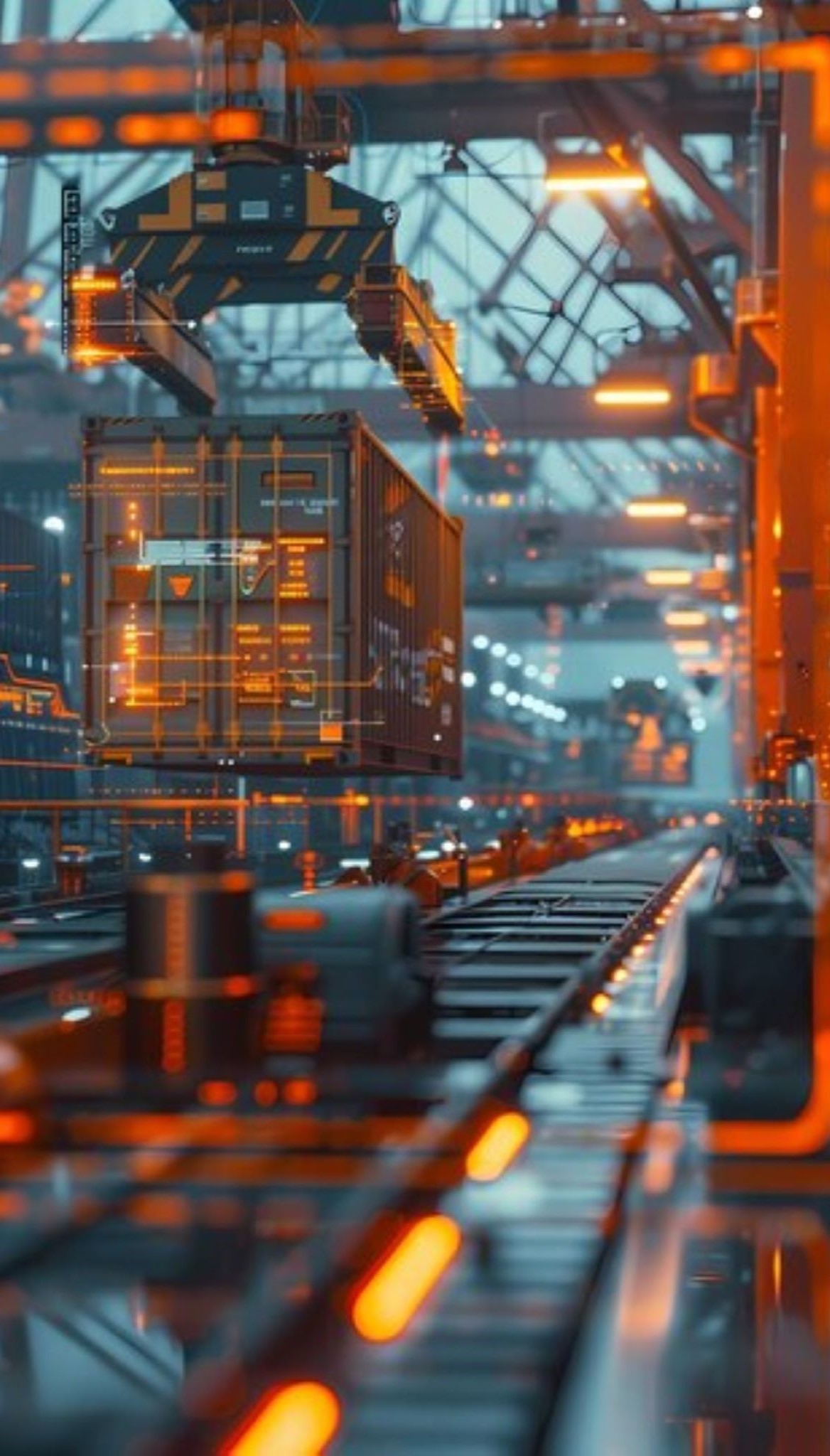
Sustainable supply chain management focuses on integrating environmental, social, and economic considerations into the management of supply chain processes. This includes sourcing materials responsibly, reducing carbon emissions, minimizing waste, and ensuring ethical labor practices throughout the supply chain.

Advanced Materials for Sustainable Production
Advanced materials for sustainable production focus on developing and using innovative materials that are environmentally friendly, resource-efficient, and durable. These materials are designed to minimize environmental impact during production, usage, and disposal.

Digitalization and Industry for Sustainability
Digitalization in industry leverages technologies like IoT, AI, big data, and cloud computing to drive sustainable practices. It enables real-time monitoring, predictive maintenance, and efficient resource utilization, reducing energy consumption and waste. Industry 4.0 practices, such as smart manufacturing and digital twins, optimize processes for lower environmental impact.
Decarbonization of Industrial Processes
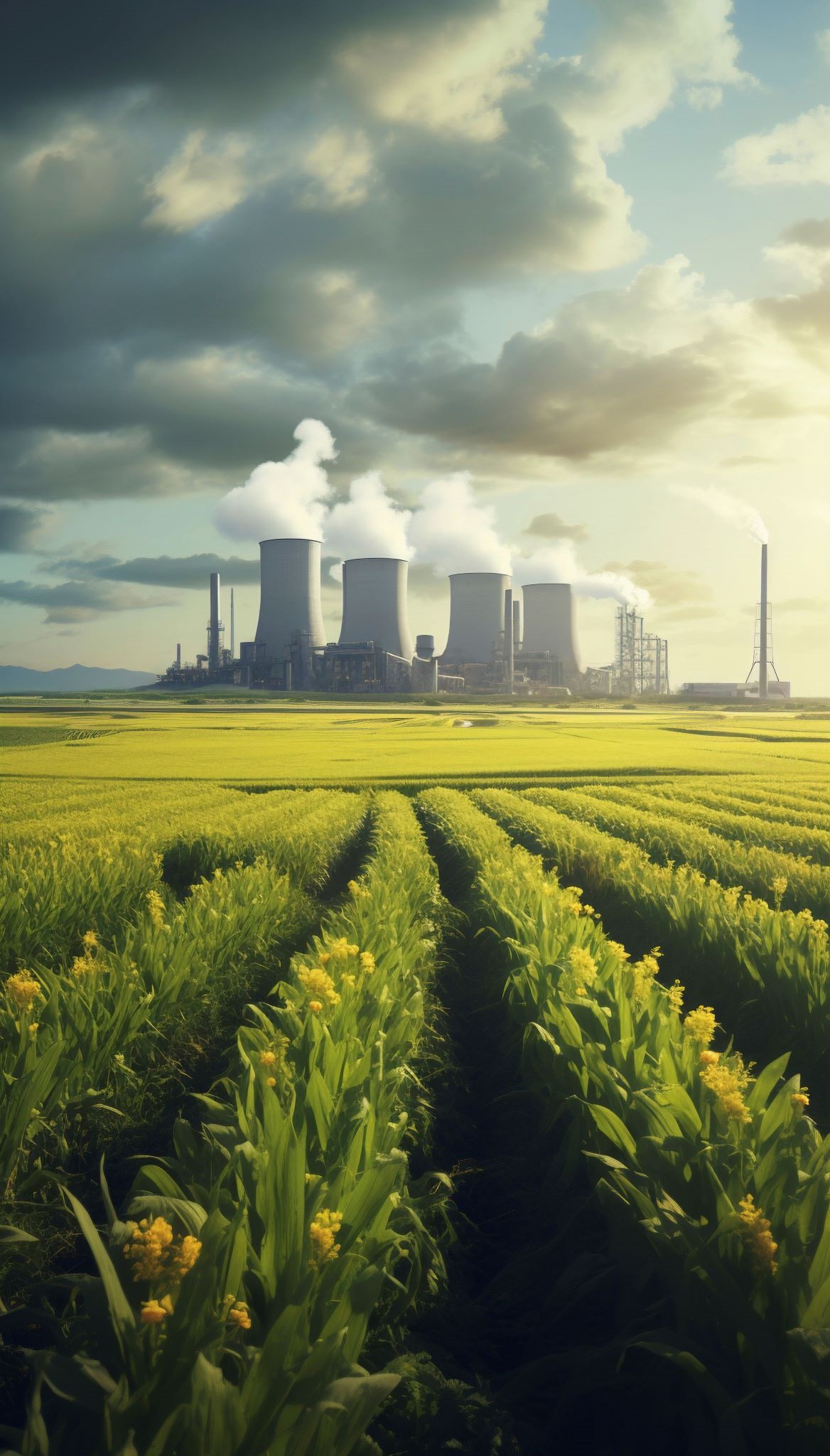
Decarbonization of industrial processes involves reducing carbon emissions across manufacturing and production activities. This is achieved by adopting cleaner energy sources, such as renewable energy and hydrogen, improving energy efficiency, and utilizing carbon capture and storage technologies.

Sustainable Water Use in Production
Sustainable water use in production focuses on minimizing water consumption, improving water recycling, and reducing wastewater generation across industrial processes. It involves adopting advanced technologies, such as closed-loop water systems, water-efficient machinery, and real-time monitoring tools to optimize water use.
Sustainable Packaging and Waste Reduction
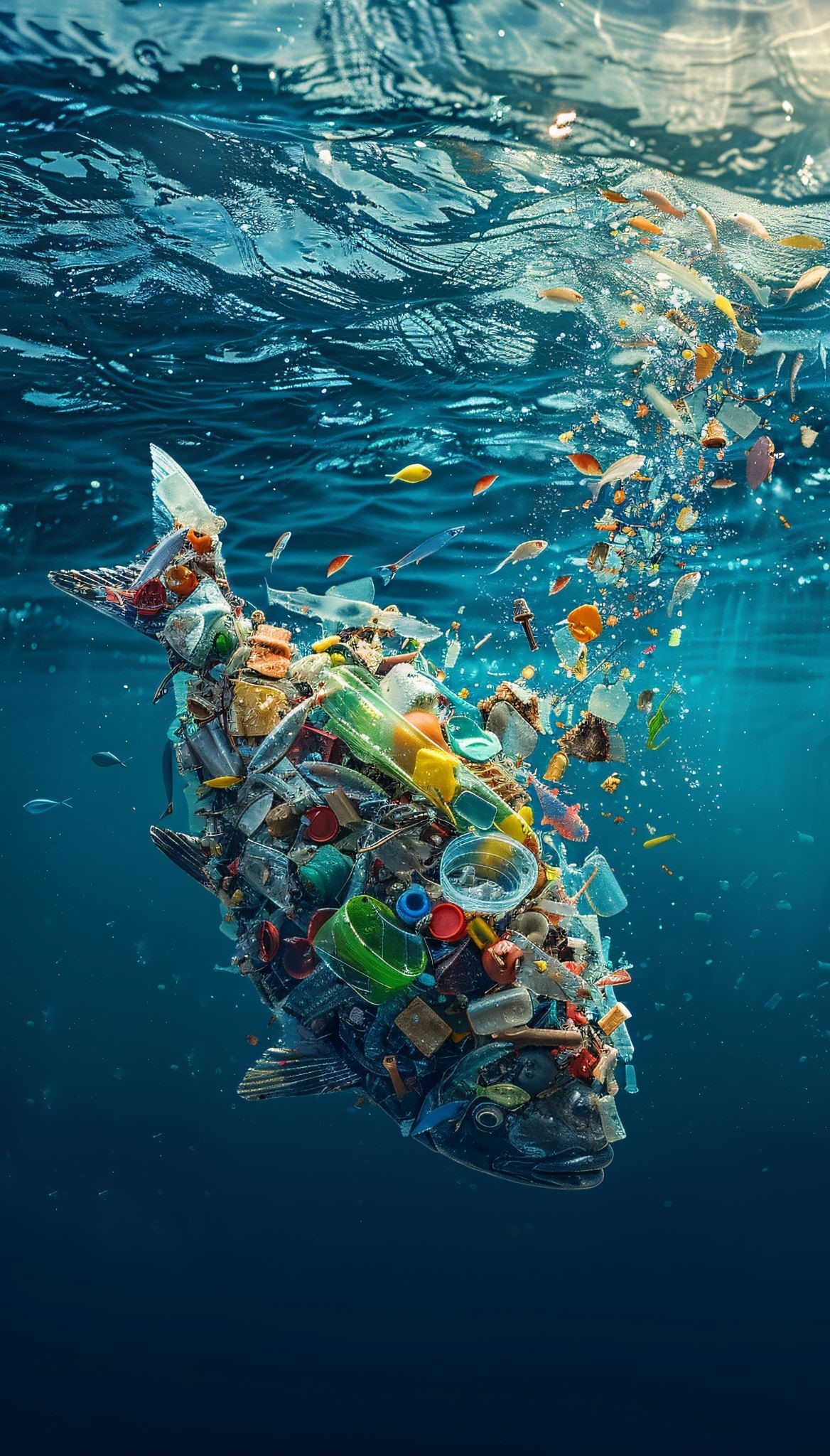
Sustainable packaging and waste reduction focus on minimizing the environmental impact of packaging materials and production processes. This involves using biodegradable, recyclable, or reusable materials, reducing packaging volume, and designing products with end-of-life recycling in mind.

Social and Economic Aspects of Sustainable Production
This concept focuses on balancing economic growth with social equity and environmental stewardship in production processes. It emphasizes fair labor practices, community engagement, and creating value for all stakeholders, including workers, consumers, and local communities.

Sustainable Agriculture and Food Production
Sustainable agriculture and food production aim to meet current food needs without compromising the ability of future generations to do the same. This approach emphasizes practices that maintain soil health, conserve water, reduce greenhouse gas emissions, and minimize the use of synthetic chemicals.

Innovations in Sustainable Transportation for Industry
Sustainable transportation innovations are transforming industrial logistics by reducing environmental impact while improving efficiency. Key developments include the adoption of electric and hydrogen-powered vehicles for freight, which minimize greenhouse gas emissions.

Eco Design and Industrialization
Eco design integrates environmental considerations into product design and development, aiming to minimize ecological impact throughout a product's lifecycle. When combined with industrialization, this approach promotes sustainable manufacturing processes that reduce waste, energy consumption, and emissions.
Collaborative Production
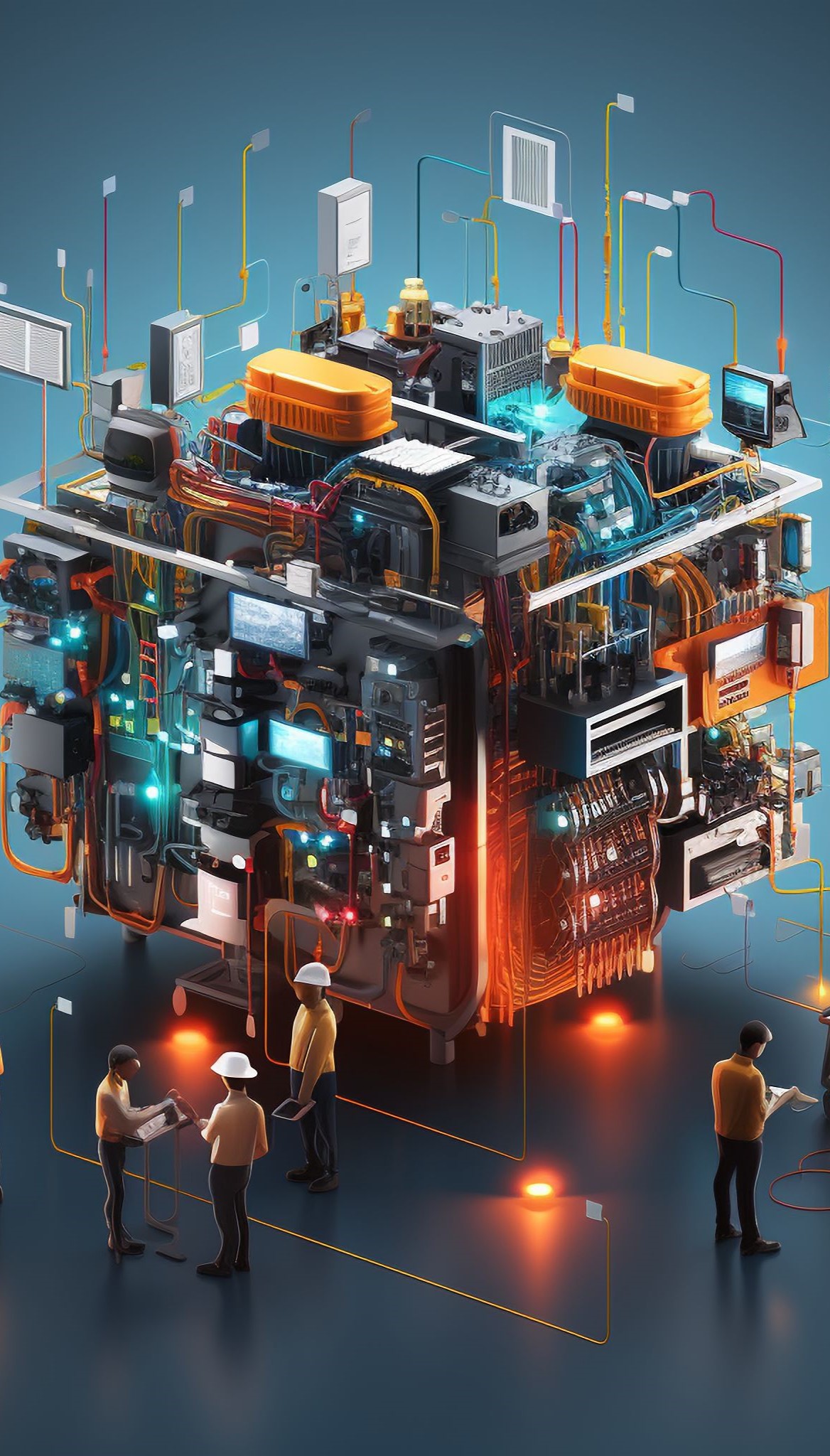
Collaborative production is a model where multiple stakeholders—such as individuals, organizations, and communities—work together to design, develop, and manufacture products or services. This approach emphasizes shared resources, open innovation, and collective decision-making, often leveraging digital platforms and tools to streamline collaboration.

IA on Sustainable Production
Artificial intelligence (AI) is revolutionizing sustainable production by optimizing processes, reducing waste, and minimizing environmental impact. AI-driven tools analyze data to enhance energy efficiency, predict maintenance needs, and improve resource allocation in manufacturing.

Human-centricity and Resilience Industry
Human-centricity and resilience in industry focus on designing systems, processes, and workplaces that prioritize the well-being, skills, and engagement of people while ensuring adaptability to challenges. This approach emphasizes ergonomic designs, inclusive decision-making, and technology that enhances human capabilities rather than replacing them.